Table of contents
- The $50,000 Mistake That Could Have Been Avoided
- The High-Stakes World of Premium Vehicle Wrapping
- Identifying and Preventing the 13 Critical Mistakes
- Mistake 1: Inadequate Surface Preparation and Contamination Control
- Mistake 2: Incorrect Material Selection for Luxury Applications
- Mistake 3: Improper Heat Application and Temperature Management
- Mistake 4: Inadequate Edge Sealing and Moisture Protection
- Mistake 5: Overstretching and Material Stress Concentration
- Mistake 6: Contamination from Environmental Factors
- Mistake 7: Inadequate Curing Time and Process Acceleration
- Mistake 8: Poor Tool Selection and Application Techniques
- Mistake 9: Inadequate Quality Control and Inspection Protocols
- Mistake 10: Improper Trim and Cutting Techniques
- Mistake 11: Insufficient Post-Installation Finishing
- Mistake 12: Inadequate Client Education and Maintenance Guidance
- Mistake 13: Poor Documentation and Warranty Management
- Implementation Roadmap: Professional Installation Best Practices
- Professional Standards and Quality Assurance
- Luxury Car Wrap Installation: Critical Installation Considerations
- Legal Framework for Luxury Vehicle Modifications
- Innovation and Market Evolution
- Protecting Your Investment
The $50,000 Mistake That Could Have Been Avoided
In the world of luxury car customization, a single installation error can transform a $200,000 McLaren into a vehicle worth $50,000 less at resale. This stark reality hit home when a Beverly Hills collector discovered that improper luxury car wrap installation had permanently damaged his vehicle’s factory paint, creating adhesive residue that required complete panel replacement.
The premium vehicle wrapping industry has exploded, with the global automotive wrap films market reaching $10.8 billion in 20241. Yet beneath this growth lies a troubling trend: poorly executed high-end car wraps that devastate resale values rather than protect them. For discerning owners of Bentleys, Ferraris, and Lamborghinis, the difference between a $15,000 professional installation and a $50,000 resale disaster often comes down to understanding 13 critical mistakes.
As someone who has overseen luxury vehicle graphics installations on over 2,000 high-end vehicles, I’ve witnessed firsthand how seemingly minor oversights compound into catastrophic value destruction. The stakes couldn’t be higher: prestige car wrapping done correctly preserves factory paint and enhances aesthetic appeal, but executed poorly, it creates irreversible damage that follows the vehicle through every subsequent ownership transfer.


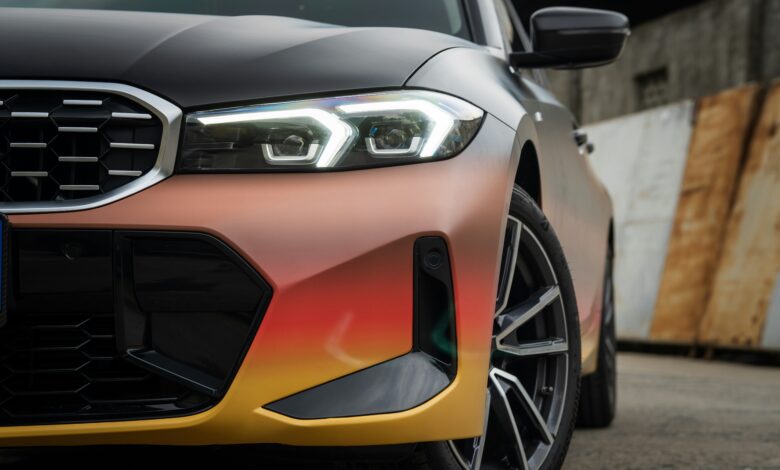
Today’s luxury car owners demand more than transportation—they seek personalized statements of success and sophistication2. However, the pursuit of customization through premium auto wraps requires navigating a minefield of potential pitfalls that can instantly transform an appreciating asset into a depreciating liability.
The High-Stakes World of Premium Vehicle Wrapping
The luxury car wrap installation market has undergone dramatic transformation, driven by evolving consumer preferences toward personalization and exclusivity3. Today’s affluent buyers increasingly view their vehicles as canvases for self-expression, with high-end vehicle wraps serving dual purposes: aesthetic enhancement and paint protection.
Current Market Dynamics
Market research reveals that 73% of luxury car owners prioritize customization options when making purchase decisions2. This shift has created a booming premium vehicle wrapping sector, with installation facilities reporting 300% growth in high-end projects over the past five years. However, this rapid expansion has also flooded the market with inexperienced installers, creating significant quality variations.
The economics are compelling: a professionally executed luxury vehicle graphics installation typically costs $8,000-$15,000 but can preserve $25,000-$50,000 in factory paint value. Conversely, botched installations have been documented to reduce resale values by 15-30%, particularly on limited-edition vehicles where originality commands premium pricing4.
Quality Landscape Challenges
Industry analysis reveals a concerning reality: for every expert installer, there are five adequate practitioners and forty-nine mediocre ones5. This disparity becomes critical when dealing with prestige car wrapping, where materials costs alone can exceed $3,000 before labor considerations. The luxury segment’s unforgiving standards mean that imperfections acceptable on mainstream vehicles become dealbreakers on high-end models.
Investment Protection Imperative
Modern premium auto wraps serve as sophisticated paint protection systems, shielding factory finishes from UV degradation, stone chips, and environmental contaminants. When properly executed, these installations preserve showroom conditions indefinitely, maintaining the pristine aesthetics that luxury buyers demand. However, installation mistakes can compromise this protection, creating moisture infiltration points, adhesive damage, and finish irregularities that compound over time.
The luxury car customization market now recognizes that wrap quality directly correlates with long-term value retention, making installation expertise a critical investment consideration rather than merely an aesthetic choice.
Identifying and Preventing the 13 Critical Mistakes
Mistake 1: Inadequate Surface Preparation and Contamination Control
The foundation of successful luxury car wrap installation begins with meticulous surface preparation, yet this critical phase suffers the most frequent oversights. Contamination from wax residues, silicone-based products, or microscopic debris creates adhesion failures that manifest months later as edge lifting and bubble formation16.
Professional preparation protocols require multi-stage decontamination using isopropyl alcohol solutions, clay bar treatments, and specialized degreasers. Temperature and humidity control during this phase proves equally critical, as ambient conditions directly impact adhesive activation and bonding characteristics.
Mistake 2: Incorrect Material Selection for Luxury Applications
Premium vehicle wrapping demands materials specifically engineered for high-performance applications, yet cost-cutting through substandard vinyl selection destroys project outcomes. Cast vinyl films offer superior conformability and durability compared to calendered alternatives, with premium brands like 3M and Avery Dennison providing warranties spanning 7-10 years7.
Material thickness, adhesive formulation, and conformability ratings must align with specific vehicle geometries and intended lifespan. Luxury applications require films capable of handling complex curves, deep recesses, and extreme temperature variations without compromising adhesion or appearance.
Mistake 3: Improper Heat Application and Temperature Management
Heat guns remain essential tools for high-end car wraps, yet improper temperature control causes irreversible material damage and adhesive failures. Excessive heat creates vinyl shrinkage, color distortion, and adhesive migration, while insufficient heating prevents proper conforming around complex geometries1.
Professional installations utilize infrared thermometers to maintain optimal working temperatures between 200-220°F, with specific heating patterns that activate adhesives without compromising film integrity. Post-installation heat cycles ensure complete bonding and stress relief across all surfaces.
Mistake 4: Inadequate Edge Sealing and Moisture Protection
Luxury vehicle graphics require comprehensive edge sealing to prevent moisture infiltration, yet rushed installations often overlook critical seal points. Water intrusion through improperly sealed edges creates adhesive degradation, corrosion initiation, and finish delamination that spreads progressively over time6.
Professional sealing protocols involve specialized primers, edge sealants, and heating cycles that create waterproof barriers at all termination points. Door jambs, panel joints, and trim interfaces require particular attention to prevent moisture accumulation in hidden areas.
Mistake 5: Overstretching and Material Stress Concentration
Complex vehicle geometries challenge even experienced installers, yet overstretching vinyl creates permanent stress concentrations that guarantee premature failure. Prestige car wrapping requires understanding material limitations and employing relief cuts, bridging techniques, and specialized forming methods to accommodate extreme contours8.
Stress analysis during installation identifies high-risk areas where alternative approaches prevent material failure. Professional techniques include strategic seaming, heat forming, and progressive stretching that distribute loads across larger surface areas.
Mistake 6: Contamination from Environmental Factors
Installation environment directly impacts premium auto wraps quality, yet many facilities lack adequate contamination control. Airborne particles, humidity fluctuations, and temperature variations create adhesion problems and finish defects that compromise long-term performance8.
Climate-controlled installation bays with positive air pressure, HEPA filtration, and humidity management ensure optimal working conditions. Professional facilities maintain strict protocols for material handling, workspace cleanliness, and environmental monitoring throughout installation processes.
Mistake 7: Inadequate Curing Time and Process Acceleration
Luxury car customization demands patience during curing phases, yet time pressures often compromise this critical period. Adhesive systems require 48-72 hours to achieve full bond strength, with temperature and humidity conditions directly affecting curing rates6.
Premature exposure to washing, extreme temperatures, or mechanical stress during curing periods causes permanent adhesion failures. Professional installations include detailed curing protocols, environmental controls, and client education about proper post-installation care requirements.
Mistake 8: Poor Tool Selection and Application Techniques
High-end vehicle wraps require specialized tools and techniques that differ significantly from standard applications. Incorrect squeegee selection, improper pressure application, and inadequate tool maintenance create finish defects, adhesive disturbance, and material damage that affects long-term performance1.
Professional tool kits include temperature-controlled heat guns, precision cutting implements, conformability enhancers, and application tools designed specifically for premium materials. Technique refinement through continuous training ensures consistent results across diverse vehicle geometries.
Mistake 9: Inadequate Quality Control and Inspection Protocols
Installation quality verification requires systematic inspection protocols, yet many shops rely on casual visual assessment. Premium vehicle wrapping demands detailed quality control checkpoints throughout the installation process, with specific criteria for adhesion, finish quality, and edge sealing effectiveness5.
Professional quality systems include adhesion testing, thermal imaging inspection, and detailed documentation of all installation parameters. Multi-point inspections at critical process stages prevent defects from progressing to completion, ensuring consistent quality outcomes.
Mistake 10: Improper Trim and Cutting Techniques
Precision cutting separates professional luxury car wrap installation from amateur attempts, yet blade selection, cutting angles, and pressure control require specialized expertise. Improper cutting creates rough edges, adhesive exposure, and potential paint damage that affects both appearance and longevity1.
Professional cutting protocols utilize multiple blade types, cutting guides, and pressure-sensitive techniques that ensure clean edges without substrate damage. Post-cutting inspection and edge treatment prevent moisture infiltration and enhance finish durability.
Mistake 11: Insufficient Post-Installation Finishing
Luxury vehicle graphics require extensive post-installation finishing to achieve showroom quality results, yet time constraints often truncate this critical phase. Edge trimming, heat activation, and surface preparation for protective coatings demand meticulous attention to detail6.
Professional finishing protocols include comprehensive heating cycles, edge sealing verification, and application of protective topcoats where appropriate. Final inspection ensures all installation parameters meet manufacturer specifications and client expectations.
Mistake 12: Inadequate Client Education and Maintenance Guidance
Long-term prestige car wrapping success depends on proper maintenance, yet many installers provide minimal client education. Washing techniques, parking considerations, and routine inspection requirements directly impact wrap longevity and appearance retention7.
Professional installations include comprehensive maintenance training, detailed care instructions, and ongoing support for troubleshooting and routine maintenance needs. Client education programs ensure optimal performance throughout the wrap’s intended lifespan.
Mistake 13: Poor Documentation and Warranty Management
Premium auto wraps represent significant investments that require comprehensive documentation, yet many installations lack proper record-keeping. Material specifications, installation parameters, and warranty terms must be thoroughly documented to support long-term value protection4.
Professional documentation includes detailed photography, material certification, installation parameter records, and comprehensive warranty coverage. Proper documentation supports resale value verification and ensures warranty claim processing when needed.
Implementation Roadmap: Professional Installation Best Practices
Phase 1: Pre-Installation Assessment and Planning
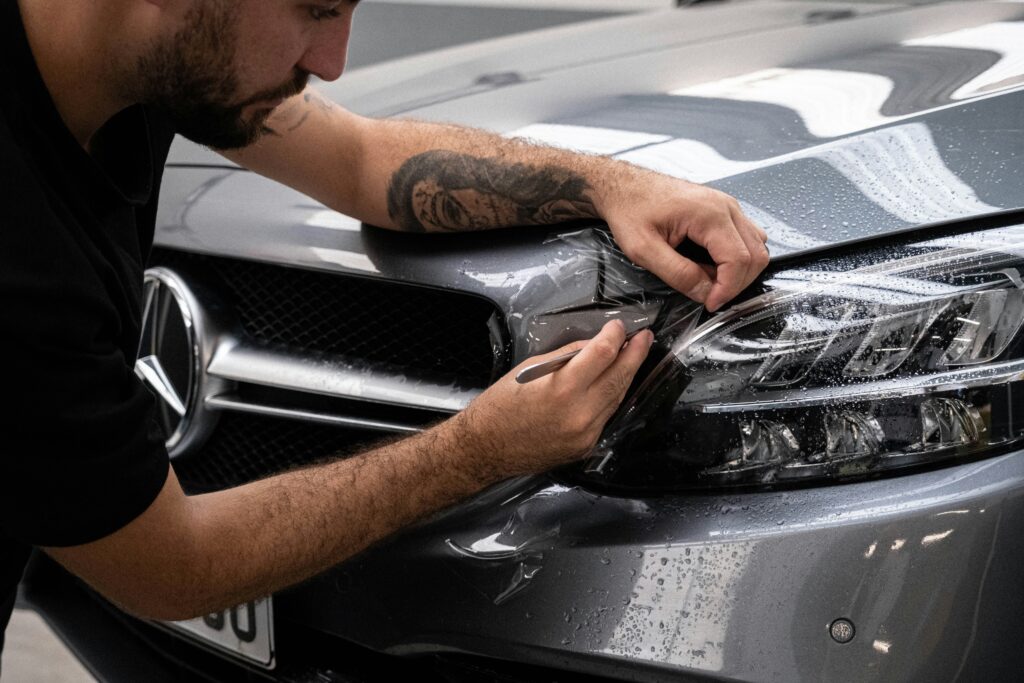
Successful luxury car wrap installation begins with comprehensive vehicle assessment and project planning. Professional evaluation includes paint condition analysis, surface preparation requirements, and material selection based on specific vehicle characteristics and client objectives.
Documentation protocols require detailed photography, surface condition mapping, and client consultation records that establish baseline conditions and project expectations. Material ordering, environmental preparation, and timeline development ensure seamless execution without quality compromises.
Phase 2: Surface Preparation and Environmental Control
Installation facility preparation creates optimal working conditions for premium vehicle wrapping projects. Climate control systems maintain temperature and humidity within manufacturer specifications, while positive air pressure and filtration systems minimize contamination risks.
Surface preparation protocols include multi-stage cleaning, decontamination, and inspection procedures that ensure optimal adhesion conditions. Quality control checkpoints verify preparation effectiveness before material application begins.
Phase 3: Installation Execution and Quality Monitoring
Systematic installation procedures ensure consistent quality across all vehicle surfaces. High-end car wraps require specialized techniques for complex geometries, with continuous quality monitoring throughout the application process.
Temperature management, material handling, and tool selection follow manufacturer protocols, with documentation of all critical parameters. Progress inspection at predetermined intervals prevents defects from advancing to completion stages.
Phase 4: Post-Installation Finishing and Verification
Comprehensive finishing procedures transform installations into showroom-quality results. Luxury vehicle graphics require extensive edge sealing, heat activation, and surface preparation for protective treatments where applicable.
Final inspection protocols verify all quality parameters meet professional standards, with detailed documentation supporting warranty coverage and long-term value protection. Client delivery includes comprehensive maintenance training and ongoing support arrangements.
Professional Standards and Quality Assurance
Certification and Training Programs
Professional luxury car wrap installation requires ongoing education and certification through recognized industry programs. The Professional Decal Application Alliance (PDAA) and similar organizations provide comprehensive training covering materials science, application techniques, and quality standards specific to high-end applications.
Advanced certification programs focus on premium vehicle wrapping challenges, including complex geometry handling, material limitations, and troubleshooting procedures. Continuous education ensures installers remain current with evolving materials and techniques.
Material Selection Guidelines
High-end car wraps demand premium materials from established manufacturers with proven track records in luxury applications. Brand selection should prioritize conformability, durability, and warranty coverage appropriate for high-value vehicles.
Material specifications must align with specific vehicle requirements, environmental conditions, and intended lifespan. Professional suppliers provide technical support, installation guidelines, and warranty backing essential for luxury applications.
Quality Control Systems
Systematic quality control prevents costly mistakes and ensures consistent results across diverse projects. Prestige car wrapping requires documented inspection protocols, standardized quality criteria, and comprehensive record-keeping throughout installation processes.
Professional quality systems include process control checkpoints, final inspection criteria, and client delivery standards that support long-term satisfaction and value protection. Documentation requirements ensure warranty compliance and support resale value verification.
Professional Network Development
Success in premium auto wraps requires ongoing relationships with suppliers, certification bodies, and industry professionals. Networking through trade associations, manufacturer programs, and continuing education creates opportunities for knowledge sharing and business development.
Professional associations provide access to technical resources, industry updates, and quality standards essential for maintaining competitive advantage in luxury markets. Participation in certification programs demonstrates commitment to professional excellence and quality standards.
Luxury Car Wrap Installation: Critical Installation Considerations
Premium materials with extended warranties preserve factory paint and maintain appearance longer, directly supporting resale value retention. Substandard materials create premature failures that require early replacement and potential paint damage4.
Temperature, humidity, and contamination control during installation directly affect adhesion quality and long-term performance. Professional facilities maintain strict environmental controls throughout the installation process8.
Professional installations require 48-72 hours for complete adhesive curing, with specific restrictions on washing, parking, and environmental exposure during this critical period6.
Premium installations typically include 5-7 year material warranties plus workmanship guarantees covering adhesion, color stability, and installation defects specific to luxury applications7.
Poor installation creates adhesive damage, finish defects, and premature failures that can reduce vehicle values by 15-30%, particularly on limited-edition or collectible vehicles5.
Regular washing with pH-neutral cleaners, avoiding high-pressure washing, and parking in shaded areas when possible maximize wrap lifespan and appearance retention7.
Professional removal using proper techniques and temperatures preserves factory paint, while improper removal can cause permanent damage requiring expensive refinishing1.
Comprehensive records including material specifications, installation parameters, warranty terms, and maintenance guidelines support long-term value protection and resale verification4.
State regulations vary regarding reflectivity, advertising content, and visibility requirements, with some jurisdictions requiring registration updates for significant color changes910.
Advanced materials, self-healing films, and smart coatings represent emerging technologies that will enhance protection and customization capabilities in luxury applications2.
Legal Framework for Luxury Vehicle Modifications
Luxury car wrap installation must comply with federal and state regulations governing vehicle modifications and appearance changes. The National Highway Traffic Safety Administration (NHTSA) establishes federal guidelines, while individual states implement specific requirements that vary significantly across jurisdictions9.
Key compliance areas include visibility requirements, reflectivity limitations, and commercial advertising restrictions. Premium vehicle wrapping projects must ensure that driver vision remains unobstructed, with specific limitations on window coverage and mirror visibility10. Reflective materials face restrictions in many states due to potential distraction hazards for other drivers.
State-specific requirements create additional complexity for high-end car wraps. California mandates low-emission certification for wrap materials, while New York requires DMV notification within 10 days of appearance changes9. Florida prohibits license plate obstruction and excessive reflectivity, with enforcement varying by jurisdiction.
Commercial vehicle considerations apply when luxury vehicle graphics include business advertising or identification. Many states require business registration, contact information display, and compliance with local advertising ordinances10. Professional installers must understand applicable regulations and ensure client compliance throughout the installation process.
Documentation requirements support regulatory compliance and resale value protection. Proper records demonstrate legal compliance, material specifications, and installation quality standards essential for warranty claims and value verification during ownership transfers.
Innovation and Market Evolution
The luxury car customization market continues evolving rapidly, driven by technological advances and changing consumer preferences. Smart films incorporating color-changing capabilities, self-healing properties, and integrated electronics represent emerging frontiers in premium auto wraps technology2.
Advanced material development focuses on enhanced durability, improved conformability, and sustainable manufacturing processes. Next-generation films promise extended lifespan, superior paint protection, and reduced environmental impact through recyclable formulations and bio-based adhesives.
Digital printing technology advances enable unprecedented customization possibilities, with photorealistic graphics, complex patterns, and personalized designs becoming increasingly accessible. High-end vehicle wraps will increasingly incorporate advanced printing techniques that deliver showroom-quality results with improved durability and color stability.
Market consolidation trends suggest that professional prestige car wrapping will become increasingly concentrated among certified specialists with advanced equipment and training. Consumer education about quality differences will drive demand for professional installations, reducing market share for amateur providers.
Regulatory evolution will likely address emerging technologies, environmental concerns, and safety considerations as wrap adoption continues expanding. Professional installers must stay current with regulatory changes while adapting to technological advances that enhance quality and capabilities.
The integration of luxury car wrap installation with broader vehicle customization programs suggests future growth opportunities as manufacturers embrace personalization trends and aftermarket enhancement becomes increasingly sophisticated and technologically advanced.
Protecting Your Investment
Luxury car wrap installation represents a critical investment decision that can either preserve or destroy significant vehicle value. The 13 mistakes outlined throughout this analysis demonstrate how seemingly minor oversights compound into catastrophic outcomes that affect both immediate satisfaction and long-term resale value.
Professional premium vehicle wrapping requires expertise, proper materials, and systematic quality control that extends far beyond basic application techniques. The stakes are too high for luxury vehicle owners to accept anything less than certified professional installation with comprehensive warranty coverage and documented quality standards.
Your action plan begins with thorough installer evaluation, focusing on certification credentials, facility capabilities, and quality control systems rather than purely price considerations. High-end car wraps demand investments in expertise that pay dividends through enhanced protection, superior aesthetics, and preserved resale value.
The choice between professional installation and cost-cutting alternatives ultimately determines whether your luxury vehicle graphics project enhances or diminishes your vehicle’s value proposition. Quality installations protect investments, while poor execution creates liabilities that persist throughout ownership and affect every subsequent transaction.
Take action now by researching certified installers, understanding quality standards, and budgeting appropriately for professional prestige car wrapping that protects rather than compromises your valuable automotive investment.
Legal Disclaimer: This article provides general educational information only and should not be considered professional advice. Individual circumstances vary significantly, and professional consultation with certified installation specialists is essential before making modification decisions. Regulatory requirements vary by jurisdiction, and compliance verification is the owner’s responsibility. Results may vary based on specific vehicle conditions, environmental factors, and installation quality.
Disclaimer: This article provides general information about luxury car wrap installation and common mistakes. Individual circumstances vary significantly, and professional consultation with certified installation specialists is essential for optimal results. This content is not a substitute for professional advice from licensed automotive customization experts.