Table of contents
- The Million-Dollar Mistake Most Luxury Car Owners Make
- The Evolving Landscape of High-End Vehicle Protection
- The 6 Critical Protection Errors
- Your Protection Strategy
- Essential Protection Resources
- Luxury Car Paint Protection: Critical Questions Answered
- Regulatory Compliance: US Standards and Requirements
- Innovation and Market Evolution
- Protecting Your Investment
The Million-Dollar Mistake Most Luxury Car Owners Make
When Aaron Muhammad evaluates pre-owned luxury vehicles, paint condition ranks as the primary consideration. As a certified paint protection film installer specializing in high-end vehicles, he consistently observes that luxury car paint protection mistakes can cost owners between $15,000 to $25,000 over a five-year ownership period1. These devastating financial impacts stem from six critical errors that systematically destroy even the most sophisticated factory finishes.
The stakes couldn’t be higher for luxury car owners. Modern prestige vehicles feature engineered paint systems worth thousands of dollars, incorporating advanced metallic flakes, exotic matte coatings, and mirror-like gloss finishes designed for brilliance and sophistication2. Yet industry analysis reveals that vehicles with visible paint damage lose an additional 10-15% of their resale value compared to properly protected counterparts1.
The harsh reality: Luxury cars already face steep depreciation rates of 40-50% within the first five years, and paint damage accelerates this depreciation significantly1. What separates successful luxury car owners from those facing costly corrections is understanding that premium paint protection film, luxury car ceramic coating, and proper maintenance protocols aren’t optional—they’re essential investment preservation strategies.
This comprehensive analysis examines the six most destructive protection errors plaguing luxury vehicle owners, providing actionable solutions derived from industry expertise and verified case studies. Whether you manage a prestige fleet or own a single high-end vehicle, these insights will protect your investment while maintaining that coveted showroom appearance.
The Evolving Landscape of High-End Vehicle Protection
The luxury car paint protection market has experienced unprecedented growth, with the global paint protection film market projected to reach $838.1 million by 2032, growing at a compound annual growth rate of 6.5%34. This expansion reflects increasing awareness among luxury car owners about the financial consequences of inadequate protection strategies.
Current Market Dynamics
Regulatory pressures are reshaping the industry landscape. The EPA’s updated volatile organic compound (VOC) emission standards for automotive coatings, effective January 2025, mandate stricter limits on coating formulations56. These regulations drive innovation toward low-VOC and waterborne clear coat technologies while ensuring environmental compliance7. The compliance deadline extension to January 2027 provides manufacturers additional time for reformulation without compromising product performance6.
Technology advancement continues accelerating. Modern premium paint protection film incorporates self-healing properties that eliminate minor scratches with heat activation, UV protection preventing paint fade, and hydrophobic surfaces repelling contaminants89. Luxury car ceramic coating formulations now offer enhanced durability, chemical resistance, and optical clarity surpassing traditional protection methods1011.
Industry Certification Standards
Professional certification programs have become industry standard. Ceramic Pro, Detail King, and other leading manufacturers require comprehensive training covering surface preparation, paint correction, and proper application techniques121314. These programs ensure installers understand the chemistry behind ceramic coatings, surface compatibility, and industry best practices15.
Quality assurance through certification provides warranties ranging from five to ten years, reflecting installer confidence in workmanship15. Peninsula Tint and Paint Protection demonstrates this expertise through successful applications on vehicles ranging from BMW M3 Wagons to Lamborghini Aventador S Roadsters16.
The cost-benefit analysis strongly favors proactive protection. A comprehensive PPF installation typically ranges from $2,500 to $3,500, while paint damage repair costs average $2,000 to $3,000 annually1. This economic reality explains why 70% of high-end clients now request PPF installation immediately after purchase, compared to just 30% five years ago1.
The 6 Critical Protection Errors
Error #1: Using Inappropriate Cleaning Products
The Mistake: Many luxury car owners reach for dish soap or household cleaners, believing these products effectively remove road grime and contaminants2. This seemingly logical approach proves catastrophically damaging to sophisticated paint systems.
Why It Destroys Finishes: Dish soaps contain aggressive degreasers and chemicals that strip protective coatings including wax, ceramic coatings, and factory sealants2. These harsh formulations dry out paint surfaces, leading to dullness, oxidation, and accelerated degradation over time.
The Correct Approach: Premium auto protection requires pH-balanced automotive shampoos specifically formulated for luxury finishes2. These specialized products remove contaminants without compromising protective layers or causing surface damage.
Professional Solution Protocol
- Select automotive-grade cleaners with neutral pH levels (7.0-8.0)
- Avoid household products containing ammonia, bleach, or harsh detergents
- Test compatibility on inconspicuous areas before full application
- Follow manufacturer specifications for dilution ratios and application methods
Error #2: Improper Washing Techniques
The Critical Mistake: Single-bucket washing methods introduce abrasive particles that create swirl marks and micro-scratches, particularly devastating on dark-colored luxury finishes2.
Surface Damage Mechanics: Each wash mitt return to contaminated water reintroduces dirt particles, effectively sandpapering the paint surface. This creates permanent marring visible under proper lighting conditions.
Professional Two-Bucket Method:
- Bucket 1: Clean, soapy water for mitt loading
- Bucket 2: Rinse water for dirt particle release
- Microfiber mitt rotation prevents contamination transfer
- Straight-line motions rather than circular patterns minimize swirl formation
Advanced Washing Protocols
Surface preparation begins with thorough pre-rinse removing loose debris. Contact wash techniques utilize multiple clean mitts, working from top to bottom in manageable sections. Final rinse procedures ensure complete soap removal preventing residue spotting.
Error #3: Neglecting Environmental Protection
The Devastating Oversight: Factory paint alone cannot withstand environmental assault from UV radiation, acid rain, road salt, bird droppings, and tree sap2. These contaminants cause irreversible damage when left unprotected.
Environmental Damage Patterns:
- UV degradation causes color fading and clear coat failure
- Chemical etching from organic acids permanently mars surfaces
- Oxidation acceleration leads to chalky, lifeless appearance
- Contamination bonding requires aggressive correction procedures
Comprehensive Protection Strategies
Premium paint protection film provides physical barrier defense against impact damage while offering UV protection and chemical resistance17. Installation on high-impact areas including front bumpers, hoods, and side mirrors prevents costly repairs.
Luxury car ceramic coating creates molecular bonds with paint surfaces, providing hydrophobic properties, enhanced gloss, and chemical resistance2. Professional-grade formulations offer 2-3 year durability with proper maintenance protocols.
Traditional waxing delivers temporary protection requiring 6-8 week reapplication cycles2. While less durable than modern alternatives, quality waxes provide interim protection for budget-conscious owners.
Error #4: Air Drying After Washing
The Hidden Damage: Allowing vehicles to air dry creates water spots—mineral deposits that etch into clear coats and become permanently visible on luxury finishes2.
Mineral Deposit Formation: Water evaporation concentrates dissolved minerals, creating crystalline structures that bond to paint surfaces. These deposits require professional correction when allowed to cure.
Professional Drying Methods:
- Microfiber drying towels with high absorbency ratings
- Patting motions rather than dragging techniques
- Multiple towel rotation preventing contamination spread
- Immediate attention to water pooling areas
Surface Protection During Drying
Shaded locations prevent rapid water evaporation and soap residue formation. Cool surface temperatures allow proper cleaning product performance. Sequential section drying maintains consistent results across entire vehicle surfaces.
Error #5: Inadequate Protection Coverage
The Strategic Error: Partial protection applications leave vulnerable areas exposed to damage while creating inconsistent appearance and performance characteristics.
Coverage Gap Consequences:
- Unprotected edges collect contaminants and show wear patterns
- Visual inconsistencies between protected and unprotected areas
- Premature failure at protection boundaries
- Reduced resale value from incomplete protection systems
Comprehensive Coverage Solutions
Full-vehicle protection ensures consistent appearance and maximum defense. High-impact area focus prioritizes vulnerable zones including front fascias, door edges, and mirror housings. Custom pattern development accommodates unique vehicle geometries and design elements.
Professional installation guarantees proper edge sealing, bubble-free application, and warranty coverage. DIY applications frequently fail due to improper surface preparation, contamination introduction, and inadequate curing procedures.
Error #6: Ignoring Professional Installation Requirements
The Costly Assumption: DIY installation attempts often result in poor adhesion, visible bubbles, and premature failure requiring complete system replacement.
Installation Complexity Factors:
- Surface preparation requires paint correction and decontamination
- Environmental controls maintain proper temperature and humidity
- Application techniques prevent bubble formation and ensure proper adhesion
- Curing processes activate self-healing properties and maximize durability
Professional Installation Benefits
Certified installers complete rigorous training programs covering surface preparation, paint correction, and proper application techniques1213. Controlled environments ensure optimal curing conditions and contamination prevention18. Warranty coverage provides long-term protection and peace of mind for luxury vehicle owners.
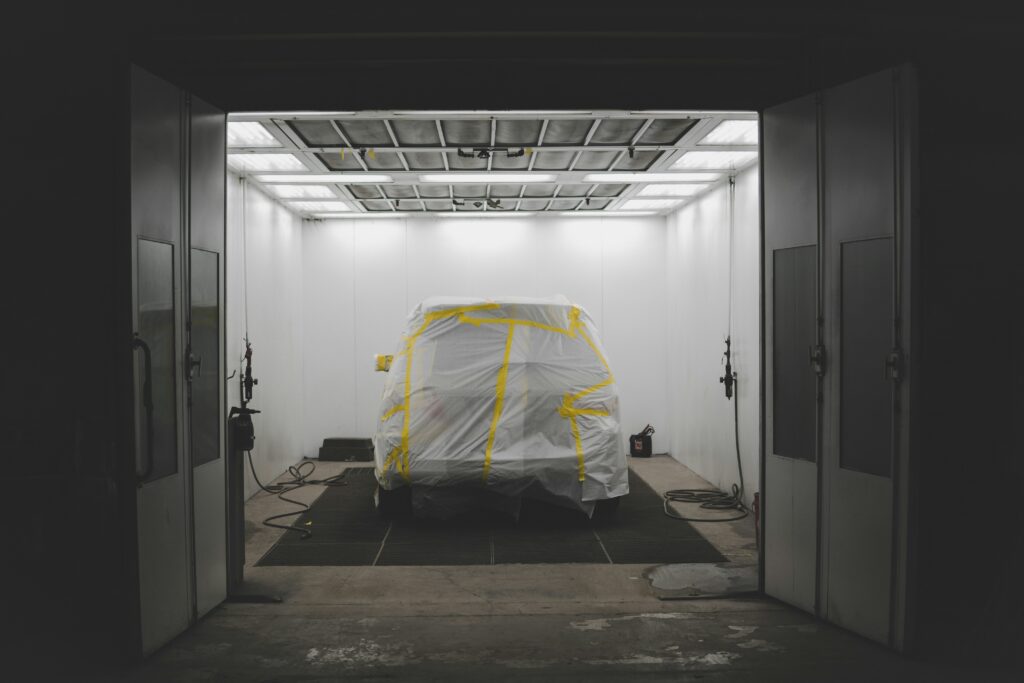
Quality assurance through professional networks ensures consistent results and ongoing support. Equipment access including spray booths, curing lamps, and specialized tools delivers superior outcomes impossible with consumer-grade equipment.
Your Protection Strategy
Phase 1: Assessment and Planning (Weeks 1-2)
Comprehensive evaluation begins with professional paint condition assessment identifying existing damage, contamination levels, and correction requirements. Documentation photography establishes baseline conditions for warranty and insurance purposes.
Protection system selection considers vehicle usage patterns, storage conditions, and budget parameters. Installer qualification verification ensures certified professionals with relevant experience and proper equipment access.
Decision Matrix Development
Cost-benefit analysis compares protection system investments against potential damage costs. Timeline planning coordinates installation scheduling with vehicle availability and seasonal considerations. Warranty evaluation examines coverage terms, duration, and claim procedures.
Phase 2: Surface Preparation (Weeks 3-4)
Paint correction procedures remove existing swirl marks, scratches, and contamination through systematic polishing and refinishing processes. Decontamination protocols eliminate embedded particles using clay bar treatments and chemical decontamination products.
Quality control inspection ensures surface perfection before protection application. Environmental preparation establishes controlled installation conditions preventing contamination and ensuring optimal curing.
Professional Preparation Standards
Multi-stage correction addresses varying damage levels through progressive abrasive sequences. Contamination removal targets iron particles, tar deposits, and organic staining. Surface energy optimization ensures maximum adhesion potential for protection systems.
Phase 3: Protection Installation (Week 5)
Professional application follows manufacturer specifications for mixing, application, and curing procedures. Quality monitoring throughout installation prevents defects and ensures uniform coverage. Environmental controls maintain optimal temperature and humidity conditions.
Final inspection documents installation quality and addresses any imperfections before customer delivery. Warranty registration activates coverage terms and establishes maintenance requirements.
Installation Quality Metrics
Adhesion testing confirms proper bonding without delamination risk. Optical inspection ensures bubble-free application and uniform appearance. Edge sealing verification prevents moisture intrusion and premature failure.
Phase 4: Maintenance Protocol Development (Week 6)
Customized maintenance schedules address specific protection system requirements and usage patterns. Product specification identifies compatible cleaning products and application procedures. Professional service scheduling establishes regular inspection and maintenance intervals.
Owner education covers proper care techniques, damage recognition, and warranty compliance requirements. Emergency procedures provide guidance for contamination incidents and minor damage scenarios.
Essential Protection Resources
Professional Certification Bodies
Ceramic Pro certification programs offer comprehensive 2-day training covering paint correction, coating application, and business development12. Detail King certification provides hands-on training with certificate credentials for automotive ceramic coating expertise13. Diamond ProTech certification requires 3+ years business history and professional detailing experience with liability insurance requirements19.
Regulatory Compliance Resources
EPA VOC standards for automotive coatings establish emission limits and reporting requirements under Clean Air Act authority2021. State-specific regulations may impose additional restrictions on coating formulations and application procedures. Professional liability insurance protects against application defects and warranty claims.
Quality Assurance Tools
Surface preparation equipment including paint thickness gauges, contamination detection systems, and environmental monitoring devices ensure optimal installation conditions. Application tools featuring precision spray equipment, curing systems, and quality control instruments deliver consistent professional results.
Industry Publications and Research
Paint Protection Film Market forecasts provide industry growth projections and technology advancement insights34. Automotive coating regulations detail compliance requirements and environmental standards75. Case study documentation demonstrates real-world performance and cost-benefit outcomes1622.
Professional Networks
Certified installer directories help locate qualified professionals with verified credentials and warranty support. Manufacturer technical support provides application guidance and troubleshooting assistance. Industry associations offer continuing education and best practice sharing opportunities.
Maintenance Resources
Compatible product guides ensure cleaning and maintenance materials won’t compromise protection systems. Damage assessment tools help identify when professional attention is required. Warranty claim procedures streamline coverage activation and repair coordination.
Luxury Car Paint Protection: Critical Questions Answered
Professional-grade ceramic coatings provide 2-3 years of protection with proper maintenance, while premium formulations may extend durability up to 5 years2310. Longevity depends on environmental exposure, maintenance frequency, and application quality.
Yes, combining PPF and ceramic coating creates optimal protection by layering physical impact resistance with chemical protection and enhanced aesthetics2425. This hybrid approach maximizes longevity and performance.
Professional PPF installation ranges from $2,500-$3,500, while DIY attempts often require reinstallation due to application defects, effectively doubling costs1. Professional warranty coverage adds significant value.
Contact manufacturers directly to confirm certification status, review portfolio examples, and verify insurance coverage15. Certified installers display credentials and offer manufacturer-backed warranties.
Use pH-balanced automotive shampoos, avoid harsh chemicals, and schedule professional inspections annually2. Specific requirements vary by protection system and manufacturer recommendations.
Quality PPF removes cleanly without adhesive residue or paint damage when professionally installed17. Ceramic coatings require professional removal through polishing procedures.
Extreme temperatures, UV exposure, and chemical contamination accelerate protection system degradation26. Garage storage and regular maintenance extend service life significantly.
Professional installations typically include 5-10 year warranties covering material defects and installation quality15. Coverage terms vary by manufacturer and installer certification level.
Address bird droppings, tree sap, and chemical spills immediately using appropriate cleaning products2. Delayed attention may cause permanent staining requiring professional correction.
Visible wear, reduced hydrophobic properties, or edge lifting indicates replacement timing27. Professional assessment determines remaining service life and replacement recommendations.
Regulatory Compliance: US Standards and Requirements
EPA Environmental Standards
The Environmental Protection Agency maintains strict volatile organic compound (VOC) emission standards for automotive coatings under Clean Air Act authority20. Recent amendments to aerosol coating standards, effective January 2025, update reactivity limits and reporting requirements521. Compliance deadlines extend to January 2027, providing manufacturers additional reformulation time6.
National emission standards reduce VOC emissions by 31,900 tons annually through coating content limits, representing 33% reduction from baseline estimates20. These regulations drive innovation toward low-VOC and waterborne formulations while maintaining performance standards7.
State Regulatory Variations
California Air Resources Board (CARB) maintains more restrictive standards that often precede federal adoption5. Oregon propositions additional VOC limits on consumer products and architectural coatings affecting automotive applications28. Professional installers must comply with state-specific requirements and emission standards.
Industry Certification Requirements
Professional liability insurance requirements vary by state but typically mandate garage keepers coverage or equivalent protection19. Business licensing and EIN documentation verify legal operation status for certified installer programs19. Continuing education maintains certification status and ensures current regulatory compliance.
Consumer Protection Standards
Federal Trade Commission regulations govern aftermarket product sales and disclosure requirements, with recent amendments affecting dealership add-on offerings2930. Warranty disclosure requirements ensure transparent coverage terms and claim procedures. Quality standards mandate accurate representation of protection system capabilities and limitations.
Professional installers must maintain current knowledge of regulatory changes affecting product formulations, application procedures, and consumer protection requirements to ensure compliant operations and customer satisfaction.
Innovation and Market Evolution
Technology Advancement Trends
Self-healing PPF technology continues evolving with enhanced recovery capabilities and extended temperature activation ranges927. Advanced formulations offer improved optical clarity, chemical resistance, and durability exceeding current 7-year service life expectations. Hybrid protection systems combining PPF and ceramic coating benefits represent the future of comprehensive vehicle protection2425.
Smart coating development incorporates sensor technology enabling real-time monitoring of protection system integrity and performance. Nanotechnology integration enhances molecular bonding strength and environmental resistance while maintaining optical transparency. These innovations promise extended service life and reduced maintenance requirements.
Market Growth Projections
The global luxury car paint protection market expects continued expansion reaching $838.1 million by 2032, driven by increasing luxury vehicle ownership and protection awareness3. Consumer education initiatives emphasize long-term value proposition and investment protection benefits. Professional service demand grows as DIY limitations become apparent to luxury car owners.
Certification program expansion addresses skilled installer shortages while maintaining quality standards. Equipment advancement improves installation precision and reduces application time, enhancing service efficiency and customer satisfaction.
Regulatory Evolution
Environmental standards continue tightening, driving further innovation in low-VOC formulations and sustainable manufacturing processes76. Consumer protection regulations expand disclosure requirements and warranty coverage standards. Professional licensing requirements may evolve to ensure qualified service delivery and consumer protection.
International harmonization of standards facilitates global market expansion and technology transfer. Industry collaboration between manufacturers, installers, and regulatory bodies ensures balanced advancement serving consumer interests while maintaining innovation incentives.
The future promises more durable, effective, and environmentally responsible protection solutions delivering superior value for luxury vehicle owners while supporting professional service provider growth and sustainability.
Protecting Your Investment
The financial stakes surrounding luxury car paint protection decisions cannot be overstated. Industry analysis consistently demonstrates that the six critical errors outlined in this comprehensive guide cost owners between $15,000 to $25,000 over five years, while proper protection systems require investments of $2,500 to $3,5001. This 5:1 cost differential makes professional protection not just advisable—it’s financially essential for luxury vehicle ownership.
Immediate action steps begin with professional paint condition assessment and certified installer consultation. Time sensitivity matters significantly, as existing damage requires correction before protection application, increasing overall costs. Professional installation through certified providers ensures warranty coverage, optimal performance, and long-term value preservation.
The Luxury Car Paint Protection landscape continues evolving with advanced formulations, enhanced durability, and comprehensive warranty coverage making protection more accessible and effective than ever before. Investment protection through proper high-end vehicle protection systems preserves resale value while maintaining that coveted showroom appearance luxury owners demand.
Take action today: Contact certified installers in your area, schedule professional assessment, and implement comprehensive protection strategies before costly damage occurs. Your luxury vehicle investment deserves nothing less than the highest level of professional protection available in today’s advanced marketplace.
Professional Consultation Disclaimer: This information is provided for educational purposes only and does not constitute professional advice. Consult with certified automotive protection specialists and licensed professionals for recommendations specific to your vehicle and circumstances. Individual results may vary based on environmental conditions, usage patterns, and maintenance compliance.
Educational Disclaimer: This article provides general information about luxury car paint protection for educational purposes only. Individual circumstances vary significantly, and professional consultation with certified automotive protection specialists is recommended before making any protective coating decisions. The information presented does not constitute professional advice and should not replace consultation with licensed professionals.